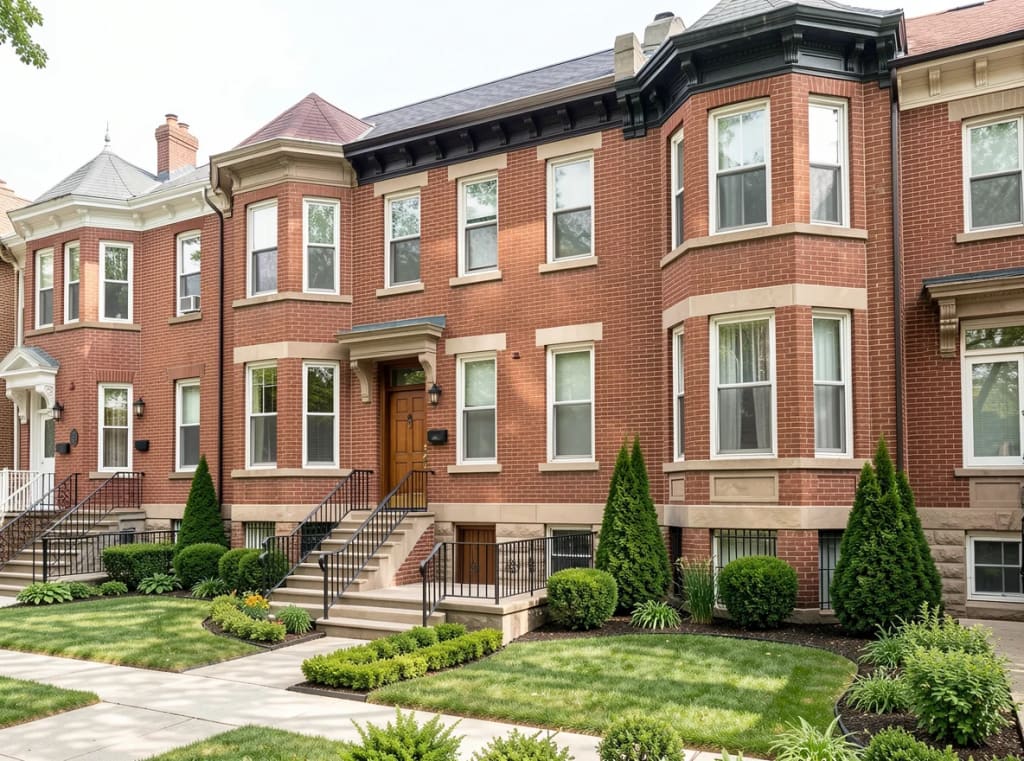
What Sellers Should Know About Pricing in a Shifting Bronx Market
Pricing Smart in a Market That Won’t Sit Still
When the market shifts, pricing becomes less about guesswork and more about strategy. Sellers in the Bronx are no longer competing in the same environment they may have seen a year ago, or even a season ago. Mortgage rates, buyer confidence, neighborhood-level inventory, and property condition all influence how quickly a home moves and how strong the offers look. In a changing market, the homes that attract serious attention are usually the ones priced with discipline from day one.
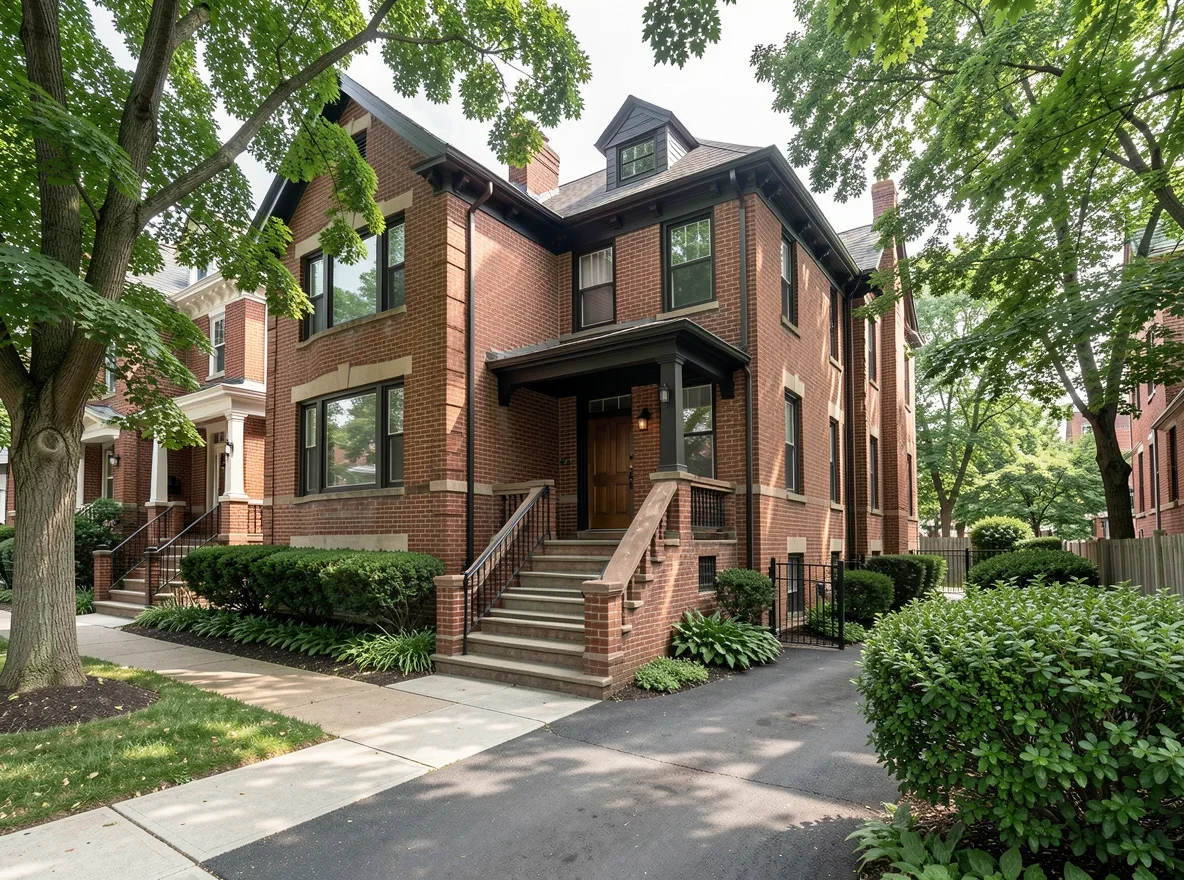
That matters because buyers today are more informed and more cautious. They are comparing listings in real time, watching price reductions, and paying close attention to value. If a property enters the market too high, it can lose momentum fast. The first week or two often sets the tone for the entire listing period, and a stale listing can create the impression that something is wrong even when the home itself is appealing.
Accurate pricing is not about leaving money on the table. It is about putting a property in the strongest possible position to generate traffic, urgency, and cleaner negotiations. In many Bronx neighborhoods, that means looking beyond broad city headlines and focusing on hyperlocal realities. A seller in Riverdale may face different buyer expectations than someone listing in Pelham Bay, Morris Park, or Throgs Neck. Building type, commute access, school proximity, parking, outdoor space, and recent nearby sales all shape what the market is willing to pay.
This is where careful analysis becomes valuable. A pricing recommendation should account for recent comparable sales, of course, but it should also consider what is currently active, what has gone pending, and what expired without results. Those details reveal whether the market is rewarding ambition or punishing overreach. Sellers benefit from guidance that is both practical and detail-oriented, especially when every pricing decision can affect showing activity, appraisal risk, and final contract terms.
Why Overpricing Usually Costs More Than It Gains
One of the most common mistakes in a shifting market is pricing based on the best-case sale from an earlier period rather than current conditions. It is understandable. Sellers remember peak headlines, hear about a neighbor’s strong result, or want room to negotiate. But buyers rarely treat an inflated asking price as a starting point if the number feels disconnected from the market. More often, they skip the listing altogether and move toward homes that appear better aligned with value.
That can create a costly cycle. A property sits. Showings slow. The seller reduces the price. Buyers then wonder why the reduction happened and whether more cuts are coming. By the time the home reaches a realistic figure, it may have already missed the strongest wave of attention. In contrast, a well-priced listing often creates early interest that can strengthen a seller’s leverage.

Speed and price are often connected. The longer a home lingers, the more negotiating power buyers tend to feel they have. That is especially true when inventory gives them options. Sellers who begin with a thoughtful number may actually protect their net proceeds better than those who start high and chase the market downward.
Preparation also plays a role. Pricing should be paired with presentation. Clean rooms, minor repairs, good lighting, and strong listing photography help buyers justify the asking price emotionally as well as logically. In the Bronx, where housing stock ranges from classic brick multifamily properties to co-ops, condos, and single-family homes, the condition story matters. Two similar homes can perform very differently if one feels turnkey and the other feels like a project.
Local amenities influence value as well. Access to parks, train lines, express buses, schools, neighborhood dining, and shopping corridors can all enhance demand. Buyers are not just purchasing square footage; they are buying into a daily lifestyle. A home near green space, waterfront areas, or dependable transportation may deserve a different pricing conversation than one without those advantages. The best pricing strategy connects the property itself to the broader living experience it offers.
What Sellers Should Watch in the Current Environment
In a market that is adjusting, sellers should pay attention to buyer behavior more than broad national noise. Are well-priced homes still moving quickly in your area? Are price reductions becoming more frequent? Are open houses active but offers cautious? These signals can tell you whether demand is strong, selective, or softening. They also help determine whether you should price at the top of the range, in the middle, or slightly under to encourage competition.
Financing is another piece of the picture. As rates fluctuate, monthly payment sensitivity becomes more pronounced. Buyers who might have stretched for a higher price point in a low-rate environment may now be more exacting. That means sellers should be realistic about how affordability affects the pool of potential purchasers. Appraisals can also become more important in this climate, making unsupported pricing harder to defend once a contract is signed.

Families and move-up buyers often weigh school options, layout flexibility, storage, and commute patterns heavily. Investors may focus more on income potential, maintenance needs, and neighborhood trajectory. First-time buyers are usually especially payment-conscious. Knowing which audience is most likely to respond to a property helps shape not just the marketing, but the initial asking price itself.
Working with an agent who values communication and precision can make this process far less stressful. A detail-focused approach helps sellers understand the numbers behind the recommendation rather than simply being handed one. That kind of guidance can be especially useful when evaluating concessions, repair requests, multiple-offer situations, or whether a price adjustment is truly necessary. Analytical thinking, steady client service, and responsiveness matter when timing and positioning are everything.
A Strong Price Creates a Stronger Sale
The best pricing strategy in the Bronx today is one rooted in facts, timing, and neighborhood knowledge. It should reflect what buyers are doing now, not what they were doing at the last market peak. Sellers who approach pricing with clarity tend to make better decisions, attract more qualified interest, and avoid the frustration of prolonged market time.
If you are preparing to sell, think of price as your first and most powerful marketing tool. Set it with intention, support it with solid presentation, and let current data guide the decision. In a shifting market, smart pricing is not just a number on a listing. It is the foundation for a smoother transaction, stronger buyer confidence, and a better overall result.