The $300K-$500K Starter Home Reality Check Across Queens, the Bronx, and Hempstead
What $300K to $500K Really Buys First-Time Buyers in Queens, the Bronx, and Hempstead
Sticker shock is real in the New York market, especially for first-time buyers trying to stay between $300,000 and $500,000. Yet that range is not impossible—it simply comes with tradeoffs, sharper decision-making, and a willingness to compare neighborhoods by lifestyle as much as square footage. For many buyers, the better question is not “Can I buy?” but “Which location best matches the way I want to live, commute, and grow?”
That is where a reality check becomes useful. In this price band, buyers are often looking at condos, co-ops, smaller single-family homes, attached homes, or properties that need cosmetic updates. The differences between Queens, the Bronx, and Hempstead can be dramatic. One area may offer stronger transit access but less interior space; another may provide a yard and driveway but require a longer commute or more renovation tolerance. Understanding those tradeoffs early can save time, stress, and expensive disappointment.
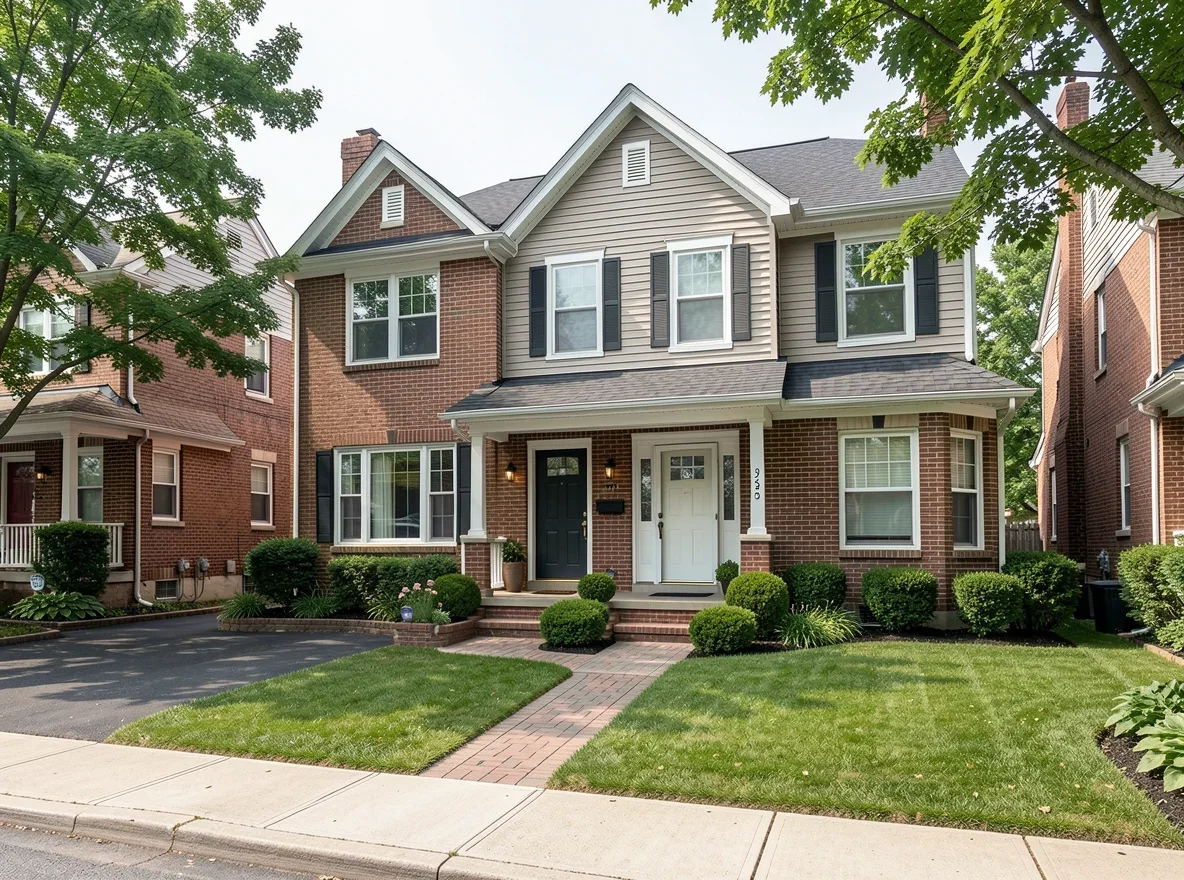
In many parts of Queens, this budget often leads buyers toward co-ops, some condos, and select smaller houses in farther-flung pockets where inventory is tight and competition can be intense. The appeal is easy to understand: broad transit options, established residential blocks, diverse food culture, and a strong sense of neighborhood identity. For buyers who want to remain connected to the city’s job centers while still planting roots, Queens can feel like the compromise that still preserves energy, convenience, and long-term desirability. The catch is that monthly costs matter just as much as purchase price, especially when maintenance fees, taxes, and financing rules enter the picture.
The Bronx tells a different story. Buyers in the same range may find somewhat more space or better value per dollar depending on the neighborhood and property type, though inventory quality varies considerably. Some areas offer handsome prewar co-ops and condos with access to parks, transit, and major roadways, while others present opportunities for buyers willing to update an older property over time. For many starter-home shoppers, the Bronx works best when they prioritize practicality: extra bedrooms, better square footage, or a layout that can accommodate multigenerational living. It can be an especially smart place for buyers who care less about trendiness and more about getting a foothold in ownership.
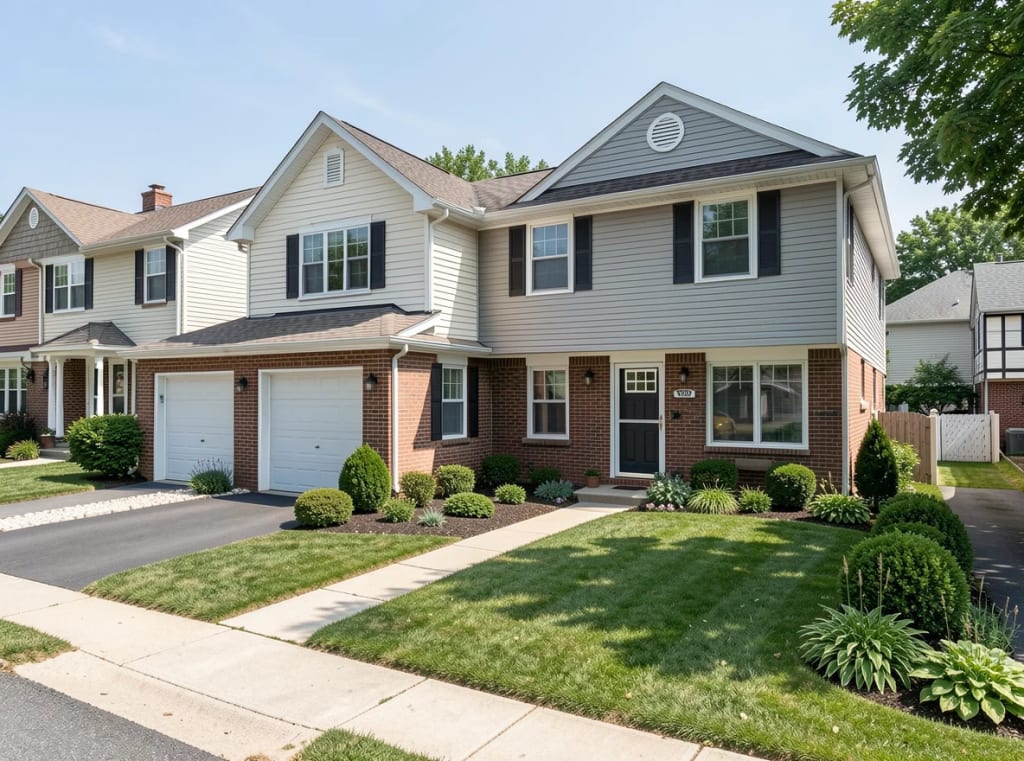
Hempstead changes the equation again because the conversation often shifts toward suburban-style living. Within this price range, buyers may encounter capes, ranches, smaller colonials, attached homes, or properties with outdoor space that would be hard to replicate in the city. That can mean a driveway, a backyard, and the daily rhythm of a more residential environment. Of course, the tradeoff may be older housing stock, higher ownership upkeep, or a commute that requires more planning. Still, for buyers dreaming about private outdoor space and more traditional homeownership, Hempstead frequently lands on the shortlist for good reason.
The Real Costs Go Beyond the Asking Price
One of the biggest mistakes first-time buyers make is focusing only on list price. A $425,000 co-op in Queens is not directly comparable to a $425,000 house in Hempstead or a $425,000 condo in the Bronx unless you also measure maintenance, property taxes, insurance, parking, utilities, and likely repair needs. Some co-ops may appear affordable upfront but require stricter board approval, larger cash reserves, and ongoing monthly fees that narrow the budget quickly. Meanwhile, a house with no maintenance fee may still need a roof, boiler work, or sewer updates.
This is where disciplined guidance matters. Buyers benefit from someone who can read the transaction details closely, spot cost patterns, and explain what is ordinary versus what is a warning sign. A detail-oriented approach becomes especially valuable in this segment of the market because starter-home buyers usually do not have endless room for surprise expenses. Clear communication, strong organization, and patience through the process can make the difference between a smart purchase and a stressful one.
Schools, too, influence the decision even for buyers without children today. Future resale appeal often ties back to school perception, transportation access, block feel, and community amenities. Across these areas, buyers should look at nearby parks, everyday convenience, access to recreation, and how each neighborhood feels during a weekday morning as well as a weekend afternoon. The right fit is not always the one with the most impressive listing photos; often it is the one that aligns with a buyer’s actual routine.
Lifestyle is another major divider between these markets. In Queens, many buyers are paying partly for access—to trains, to established neighborhood institutions, to a quicker connection with the wider city. In the Bronx, buyers often discover value in larger interiors, strong local character, and neighborhoods where community ties still shape the pace of everyday life. In Hempstead, the appeal often lies in breathing room: more property, more storage, and a home setup that feels easier to grow into over time. None of those priorities is universally better; they simply serve different definitions of a good first purchase.
Dining and recreation also shape buyer confidence. Queens offers exceptional variety and convenience woven directly into daily living. The Bronx brings a rich cultural rhythm, local parks, and longstanding neighborhood pride. Hempstead and surrounding Nassau County communities can deliver beaches, parkways, golf, and more traditional suburban recreation within reach. Buyers should think honestly about what they will use every week, not just what sounds attractive in theory. The best starter home is usually attached to a lifestyle that can be sustained comfortably.
Market behavior in this price range tends to reward preparation. Well-priced properties can move quickly, especially if they are clean, financeable, and located in commuter-friendly areas. Buyers who already understand their true monthly budget, financing options, and location priorities tend to compete more effectively. That preparation is often more important than trying to predict the perfect moment in the market. When inventory is limited, clarity wins.
How Buyers Can Make a Smarter Starter-Home Move
The strongest approach is to compare these three areas side by side using the same criteria: monthly payment, commute, condition, space, long-term flexibility, and resale potential. A buyer who starts with emotion alone may chase the wrong neighborhood. A buyer who balances emotion with numbers is much more likely to land on a home that feels good on move-in day and still makes sense years later.
For anyone entering the market with a $300,000 to $500,000 budget, realism is not pessimism—it is power. This range can absolutely open doors in Queens, the Bronx, and Hempstead, but each door leads to a different style of ownership. With careful analysis, responsive communication, and a client-first mindset, buyers can cut through the noise and make a decision that supports both their finances and their future. That is the real starter-home win: not just getting in, but getting in wisely.